AThe process
From enquiry to review, in the order it happens.
This describes how the process is structured. It does not describe your session, because session length, sensor placement, frequency and duration are decided with the person in front of us. Publishing a generic protocol would tell you something untrue.
The stages
- 01
You send a request
A short form, or a message through whichever contact route you prefer. You do not need to explain your health, and we ask you not to send medical detail this way.
Nothing is booked at this point.
- 02
A person replies
You get a reply from the practice with the information you need to decide whether a consultation is worth your time, and options for arranging one.
You can stop here with no obligation.
- 03
Initial consultation
A conversation. What you are hoping to work on, what neurofeedback involves, what it cannot do, and whether it is a sensible thing to consider at all. No recording is taken.
You may bring someone with you.
- 04
Intake, if you continue
Consent, contact details, how your information is handled, and a structured discussion of goals. Only what is necessary is collected.
Sensitive detail is handled directly, not online.
- 05
Training sessions
Sensors are placed, the equipment is checked, and the session runs quietly. You sit, the feedback responds, and you can pause or stop whenever you want.
Specifics are agreed with you, not advertised.
- 06
Review
A scheduled conversation about what you have and have not noticed, and an honest decision about whether continuing makes sense.
Stopping is a legitimate outcome.
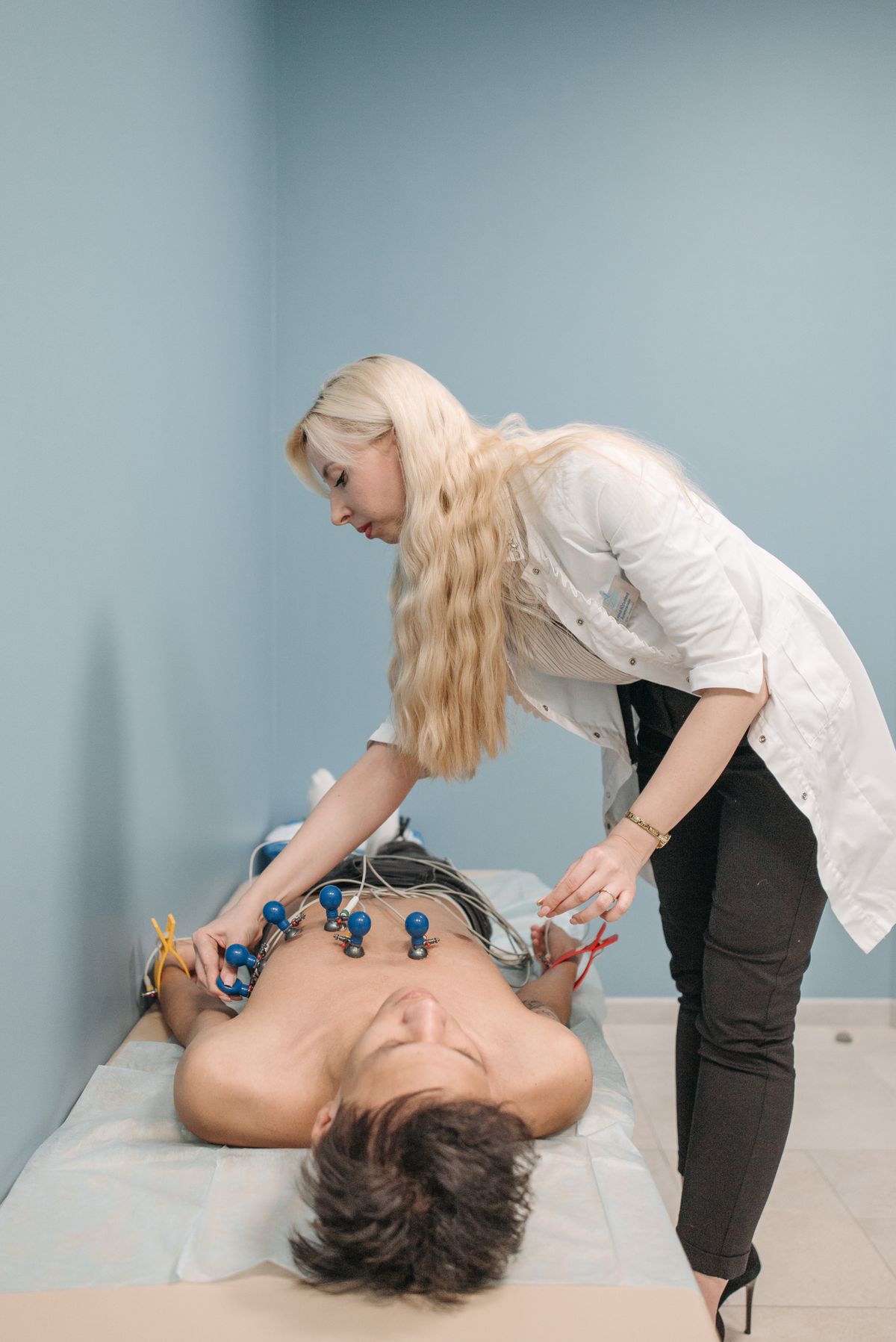
BIn the room
What a session generally looks like from the outside.
Someone sits in a chair. Sensors are positioned against the scalp, usually with a small amount of conductive gel or a fitted band, and the signal quality is checked before anything begins.
Then the room goes quiet. A screen or a speaker responds to the processed signal. There is nothing to solve and nothing to perform; being told to ‘try harder’ would defeat the point.
Afterwards, sensors come off, any gel is cleaned away, and there is time to say what you noticed. Some people feel tired or a little unsettled afterwards. Tell us, because that information changes what happens next.
Deliberately not stated here: session length, number of sessions, sensor sites, frequencies, or expected results. Those are individual, and a published figure would be a guess dressed up as information.
CFor any provider
Six questions worth asking before you commit.
Including here. A provider who is uncomfortable with these questions has told you something useful.
- 01What are your qualifications, and who registers or certifies you?
- 02What exactly will be recorded, and what will be done with the recording?
- 03What do you expect this to change, and how would we know if it were not working?
- 04What are the possible downsides, and what have other people reported?
- 05What happens if I want to stop partway through?
- 06How does this fit with the care I already receive, and will you speak with my other providers?