AAreas of practice

Six areas, each with its scope stated.

These are not packages and they are not priced tiers. Each one describes a kind of work, what it covers, and what it deliberately does not, so that you can tell before contacting anyone whether it is relevant to you.

01Start here

Initial consultation

A conversation before anything else. We talk through what you are hoping to work on, explain what neurofeedback training involves, and answer questions without pressure to continue.

Two people seated across a low table in a bright consultation room, in conversation.

Who it is forAnyone considering neurofeedback for themselves or a family member.

Read the full scope

02Before training

Assessment and intake

Administrative intake and a structured discussion of your goals, so that any training that follows is set up deliberately rather than by default.

A practitioner writing notes while talking with a seated client in a bright room.

Who it is forThose who have had an initial consultation and want to proceed.

Read the full scope

03The core of the practice

Neurofeedback training sessions

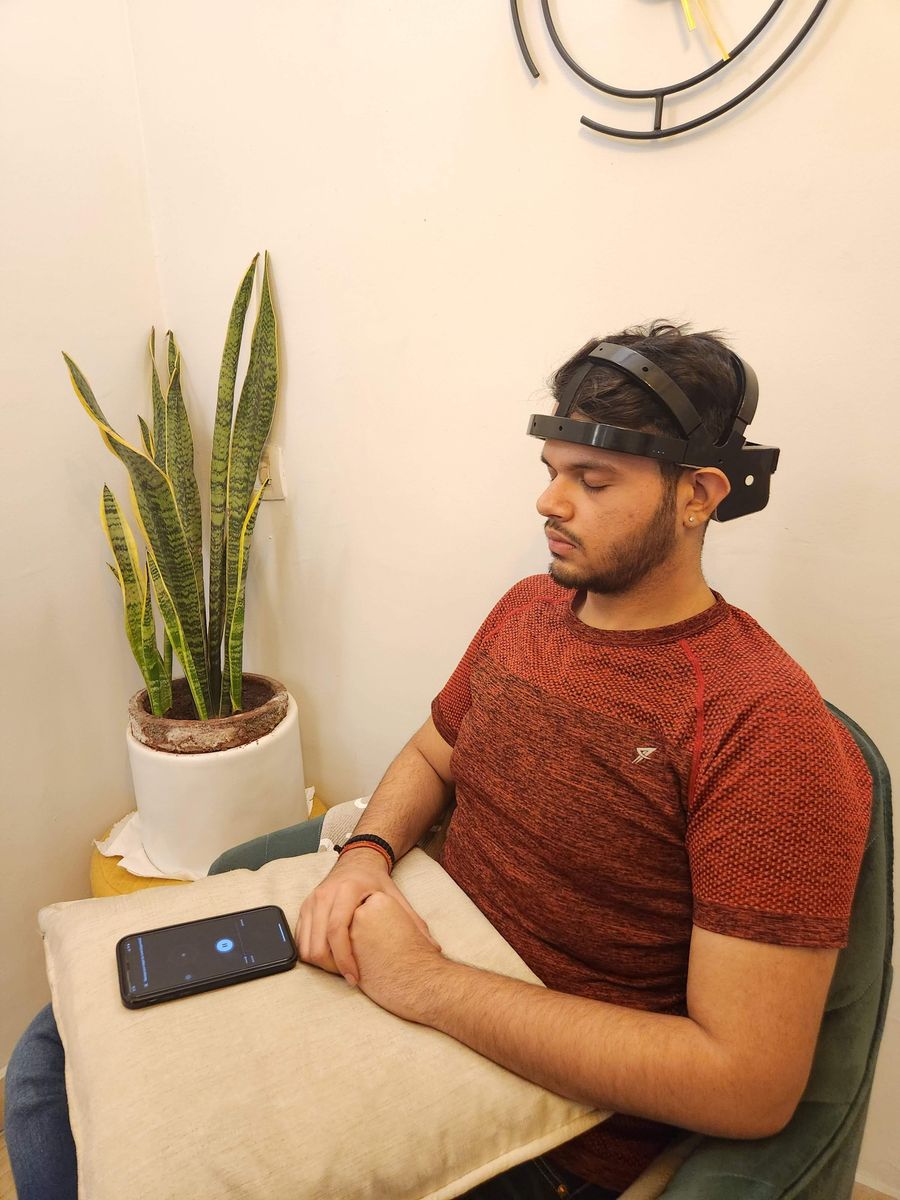
Sessions in which measured brain activity is turned into feedback you can see or hear, used as practice material for self-regulation.

A person seated in a quiet room wearing a wireless EEG headband during a training session.

Who it is forAdults and young people who have completed intake.

Read the full scope

04Checking in honestly

Progress review

Scheduled points at which we stop and look at whether training is worth continuing, using your own observations as the primary reference.

Two people seated side by side reviewing information together on a laptop screen.

Who it is forAnyone in an ongoing course of training.

Read the full scope

05Working with under-18s

Young people and families

Training for young people arranged with the involvement of a parent or guardian, with clear boundaries about consent, communication and scope.

A practitioner sitting with a young person in a calm, plainly furnished room, taking notes.

Who it is forFamilies considering neurofeedback for a young person.

Read the full scope

06Non-clinical goals

Self-regulation and focus training

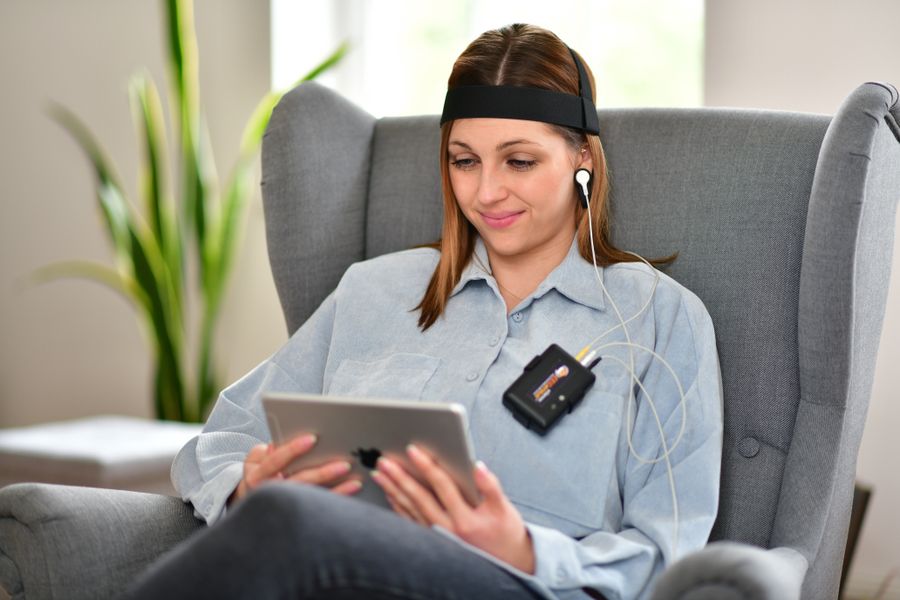
Training arranged around everyday goals such as settling attention, winding down, or noticing states of tension earlier, framed as skills practice rather than treatment.

A person seated in an armchair wearing an EEG-style headband, holding a tablet showing feedback.

Who it is forAdults with non-clinical, self-defined goals.

Read the full scope

Not sure which of these applies? Say so in the request.

Request a consultation