01Neurofeedback practice
Brain activity, measured and handed back to you.
Neurofeedback is a form of biofeedback. Brain activity is measured and translated into feedback you can hear or see while you practise. What your brain is already doing becomes the material.
This practice does not describe neurofeedback as a treatment or a cure for any condition, and does not publish outcome figures. Where evidence is uncertain, that is said on the page rather than left out.
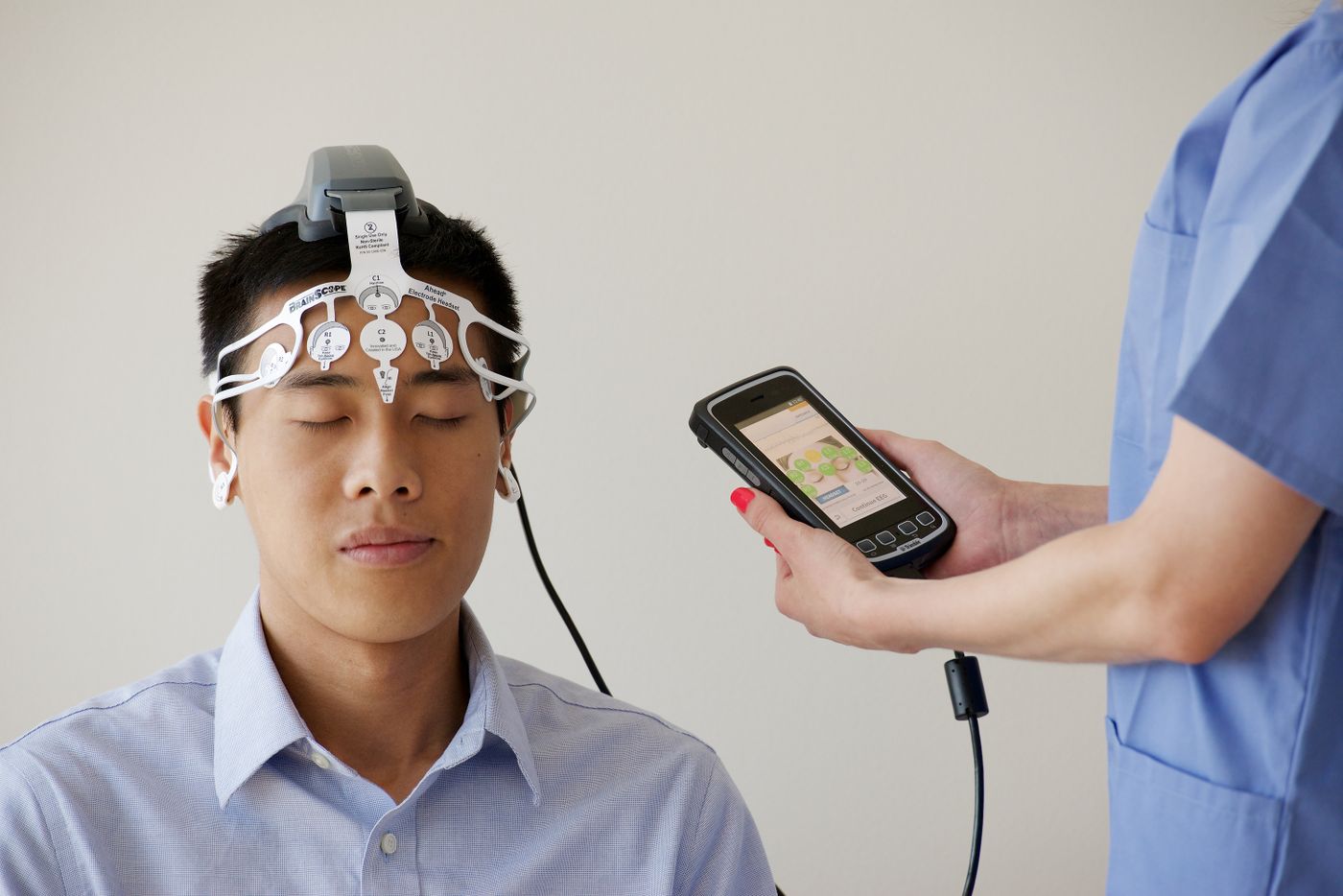
Contextual photography. Sensors record activity at the scalp; nothing is sent in.
How this practice works
Personalised
Your goals, discussed with you. Nothing here is arranged from a template.
Evidence-informed
Grounded in published research, and honest about where that research is uneven.
Measured
Brain activity is recorded as part of the feedback process, not inferred.
Handed back
The recording becomes sound or imagery you can perceive during the session.

02The sequence
A practical process, described plainly.
- 01
Assess
We talk through what you are hoping to work on and explain what training involves, including what it cannot do.
- 02
Train
Sensors record; the signal is processed and handed back as feedback you can hear or see while you practise.
- 03
Integrate
The practice continues over a series of sessions, at a frequency agreed with you rather than advertised in advance.
- 04
Review
We stop at planned points and look honestly at what you have and have not noticed, and whether continuing makes sense.
03Plain terms
Two lists, kept next to each other.
Most confusion about neurofeedback comes from the second list being left off marketing pages. It stays here.
- Neurofeedback is
- A form of biofeedback
- A recording of electrical activity at the scalp
- Feedback presented as sound or imagery
- Practice, repeated over sessions
- Something you can stop at any point
- Neurofeedback is not
- A cure for anything
- Stimulation applied into the head
- A diagnosis, or a substitute for one
- A replacement for medical or psychological care
- A guaranteed or predictable result
04What people ask about
Goals people bring, described as goals rather than conditions.
These are the things people usually want to discuss. None of them are presented here as conditions this practice treats.
Attention and focus
Practising noticing where attention sits
States of tension
Recognising arousal earlier in the day
Winding down
Routines around settling and rest
Everyday goals
Skills practice, defined in your words
Young people
Arranged with a parent or guardian
Understanding first
An explanation, with no obligation
05 During a session
What to expect
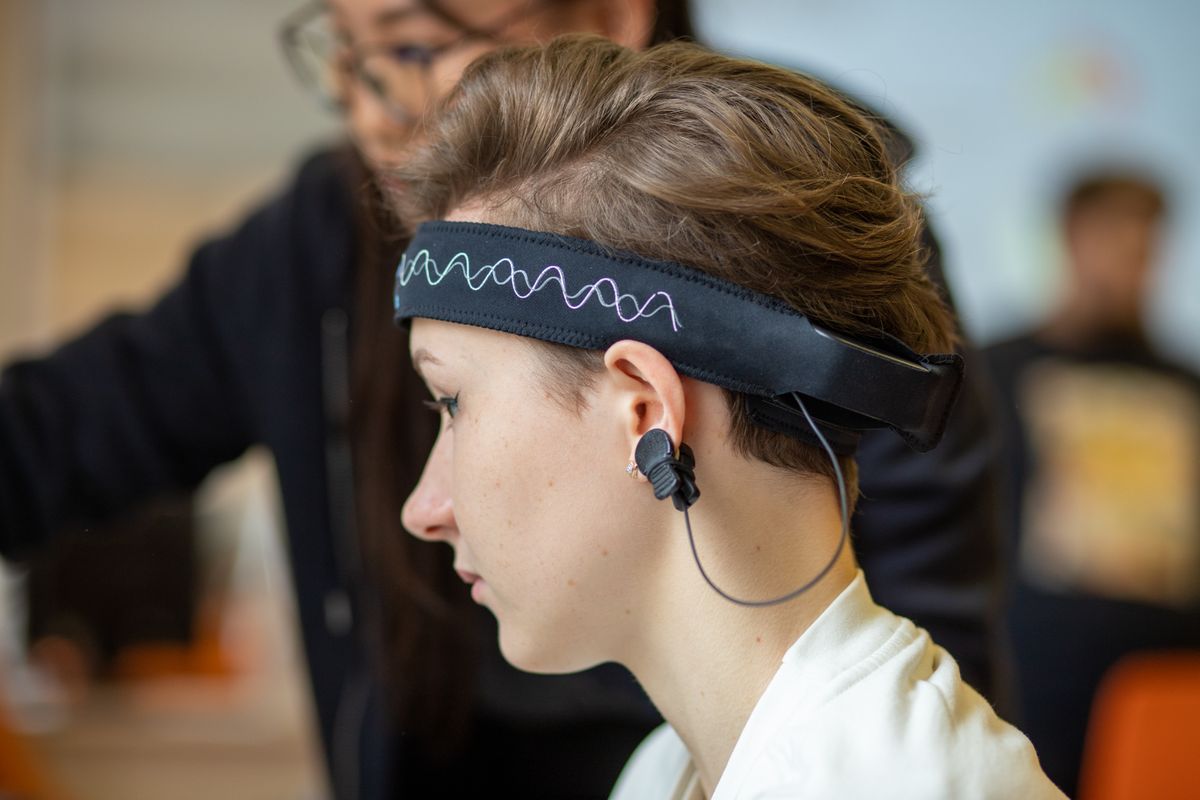
Sessions are quiet and unremarkable to watch. Sensors are placed against the scalp and checked, the recording begins, and the feedback responds to the signal as it changes. Nothing is sent into the head.
You are not asked to perform. You can ask questions, pause, or stop at any point. Session length, sensor placement and how often you attend are agreed with you in the practice rather than published here as a generic protocol.
06People, not machines
Most of this work is conversation.
Equipment records, but decisions are made in conversation: what you want to work on, what the feedback is doing, what you have noticed, and whether continuing is worth it. Every enquiry is read and answered by a person.
How this practice works

Contextual photography. The people pictured are not staff or clients of this practice.
07Areas of practice
Six things this practice does, described without embellishment.
- 01
Initial consultation
A conversation before anything else. We talk through what you are hoping to work on, explain what neurofeedback training involves, and answer questions without pressure to continue.
- 02
Assessment and intake
Administrative intake and a structured discussion of your goals, so that any training that follows is set up deliberately rather than by default.
- 03
Neurofeedback training sessions
Sessions in which measured brain activity is turned into feedback you can see or hear, used as practice material for self-regulation.
- 04
Progress review
Scheduled points at which we stop and look at whether training is worth continuing, using your own observations as the primary reference.
- 05
Young people and families
Training for young people arranged with the involvement of a parent or guardian, with clear boundaries about consent, communication and scope.
- 06
Self-regulation and focus training
Training arranged around everyday goals such as settling attention, winding down, or noticing states of tension earlier, framed as skills practice rather than treatment.
Have questions? We are here to help.
Speak with the practice about neurofeedback, what to expect, and whether it may be appropriate to explore further. Sending a request does not confirm an appointment.
08Where to start
Different people arrive with different questions.
You want to know what neurofeedback actually is.
Start with the explanation rather than the services. It covers what is recorded, what feedback means in this context, and the difference between EEG and qEEG, with the limits stated in the same place rather than buried.
This is a way of navigating the site. It does not assess you, suggest a diagnosis, or decide whether neurofeedback is suitable for anyone.
09Evidence and limits
The research is uneven, and that matters more than any claim we could make.
Published work on neurofeedback varies a great deal in quality and in what it examines. Some areas have been studied more than others; study designs differ; results are not consistent. Anyone summarising that into a single confident sentence is simplifying it for you.
So this site does not claim scientific consensus, does not use the phrase ‘clinically proven’, and does not show coloured brain images as evidence of change. Instead it points to the indexes and professional bodies where you can look at the material yourself.
10How we work
What you can hold this practice to.
- We explain before we propose anything, and put the limits in the same conversation.
- We do not describe training as a treatment for a diagnosed condition.
- We do not publish success rates, session counts or protocols, because generic figures would not be about you.
- Credentials, registration details and practice information are provided directly on request, in writing.
- Stopping is always a reasonable decision, and reviews are built in so it can be raised.

A consultation starts with a request, not a booking.
There is no live calendar on this site and nothing here confirms an appointment. Send a short request with how you would like to be contacted, and a person will reply to arrange a time.